Case study · Full-service CA practice
How RCA became a paperless, manager-less and cashless firm with ERPCA.
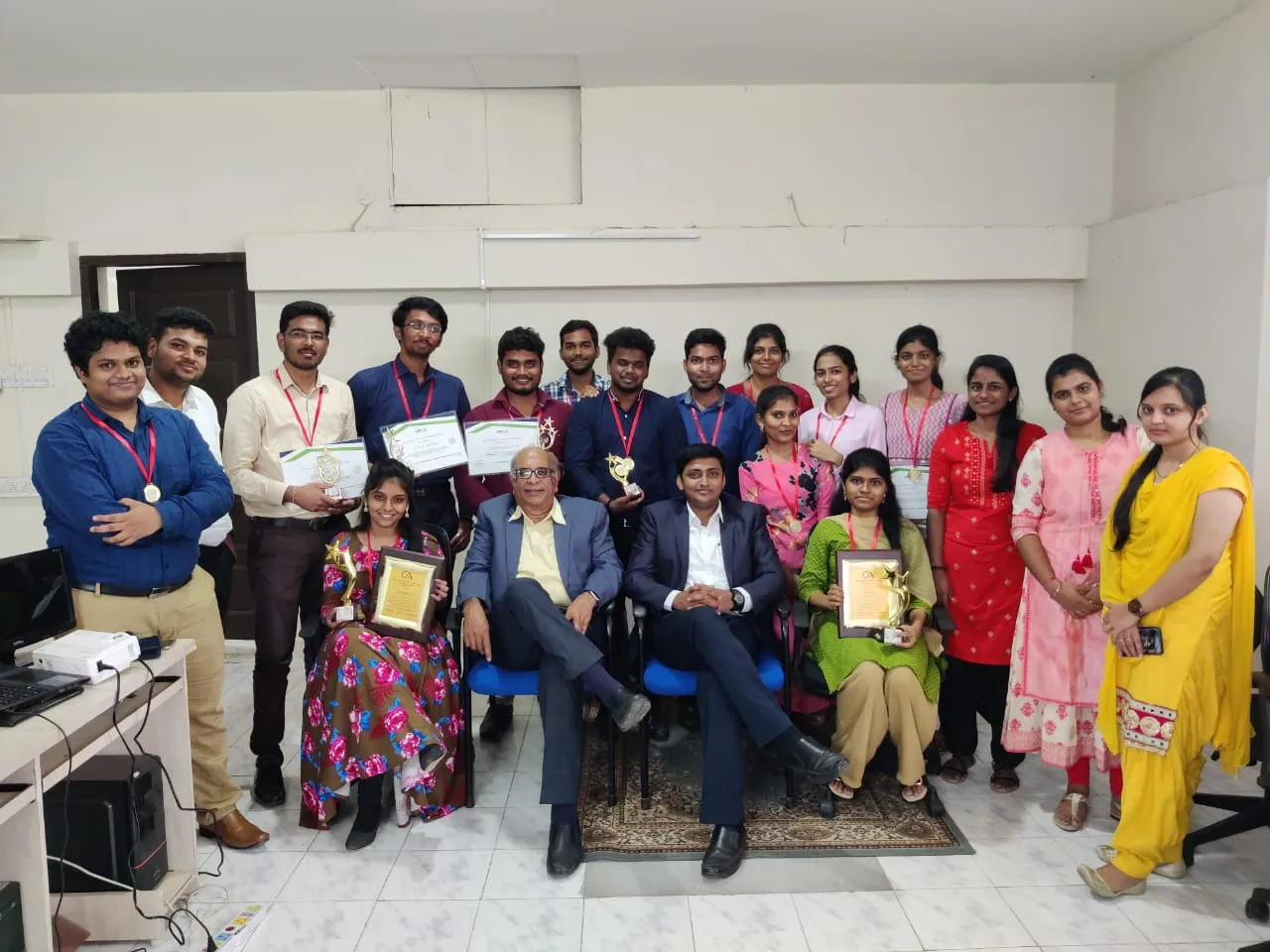
Established in 1976, Rajan Chakravarthy & Associates outgrew meetings and Excel once the team reached eight. Partner CA. P T Rajeev explains how ERPCA stopped revenue leakage and now runs the firm as its "eManager".
 CA. P T Rajeev, Partner, Rajan Chakravarthy & Associates
CA. P T Rajeev
Partner, Rajan Chakravarthy & Associates

The firm background
Who they are
CA. P T Rajeev completed his articleship at RCA, moved to KPMG for a few years and returned to the firm as a Partner in 2013. At the time there was one articleship assistant and a medium-sized pool of clients.
Around 2014-15 the firm started growing, and by the time the eighth person joined, managing tasks and billing had become difficult.
- Firm
- Rajan Chakravarthy & Associates
- Established
- 1976
- Partner
- CA. P T Rajeev (ex-KPMG)
- Found ERPCA
- Recommended by a fellow CA at a training event
Operational bottlenecks
The challenges before ERPCA
80% of the day lost to follow-ups
Daily meetings just to follow up with the team. "80% of the time was lost in carrying out people-management tasks that added little value."
Excel did not solve it
The move to Excel "was a big failure as it still did not address most of the problems we faced."
Ten tools evaluated
The firm evaluated over ten practice management products. The best-known one was too complex for a firm its size, and a custom-built application also fell short.
Billing from memory
Bills were raised from memory, so a sizable amount of completed work was never billed, or not billed on time.
The ERPCA implementation
Three pillars, one eManager
After a single demo with Sujeet Karn, RCA ended its search and rebuilt its management around three pillars in ERPCA.
Task management
Every task for every client is created in ERPCA, with a firm focus on zero overdue tasks.
Timesheet management
Everyone books a timesheet daily, helped by alerts and notifications, so people are allocated where they are needed.
Billing management
Every client is billed correctly and on time, tied to the work actually completed.
The "UPI" rule before any task is closed
"Before any task is closed, I look for three things, for which I use the acronym UPI. U is for UDIN; P stands for proof of delivery of the task, and I is for invoice raised. Only if all of these are completed, will a task be marked as closed."
Documented practice outcomes
What changed for the firm
No revenue leakage
Bills follow completed tasks, which "made a difference to both our top-line as well as bottom-line".
1,000+ tasks planned upfront
Planned, recurring work is set up at the start of the year and allotted to assistants. ERPCA made an operations manager role redundant.
A daily midnight summary
Every night the partner gets a message from ERPCA detailing everything done at RCA that day.
“ERPCA has transformed us digitally into a paperless, manager-less and cashless firm. It is our eManager, the invisible manager that helps us run our operations smoothly and seamlessly from anywhere at any time.”
“Implementation of software is easy; but the commitment to provide support is often a big issue. We have found Mr. Sujeet Karn and the ERPCA team always open to suggestions; they make continuous improvements to the product based on feedback.”
Corroborating CA transformations
More firms running on ERPCA
 CA Jignesh KansaraPartner, DAKSM
How DAKSM plans ahead of every hearing with ERPCA.
Read the case study → CA Jatin SethiChartered Accountant since 2016
How CA Jatin Sethi's team stopped sending daily status updates.
Read the case study → Dr. Arpit HaldiaPartner, with Kuldeep Johar
How a Jaipur and Jodhpur firm kept up with GST-era compliance.
Read the case study →Transform your firm with ERPCA
Join 2,500+ CA, CS and tax firms that run their team, clients, compliance and billing on ERPCA.